Peanut Butter & Jealous
A social-emotional empowerment tool and educational resource
A feel-good story of intrapersonal and interpersonal friendship — so that the internal and external bullies don’t win.
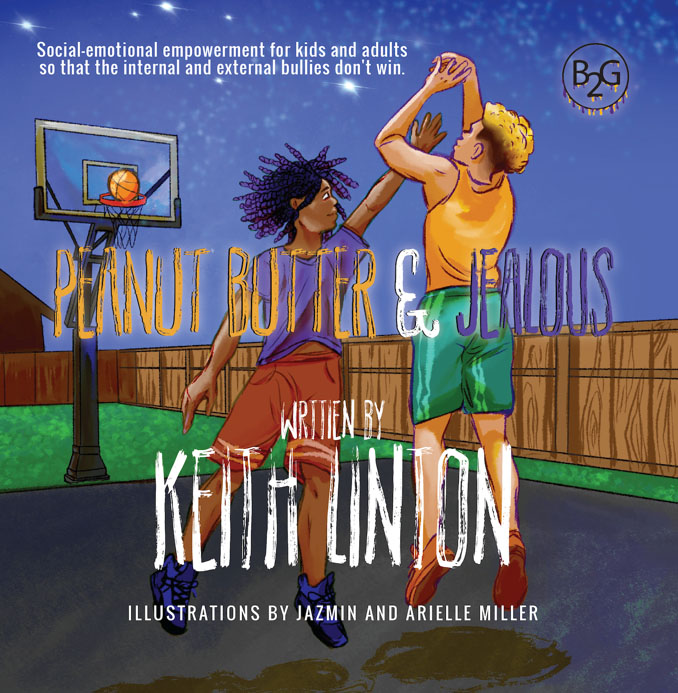
Anti-bully awareness and education are key.
Order your book & toolkit bundle today!
ISBN: 978-1-947185-27-2
Highlights
This original children’s book and its Common Core State Standards (CCSS)- and Collaborative for Academic, Social, and Emotional Learning (CASEL)-aligned educational toolkit highlight the positive effects of:
- Social-Emotional Learning
- Restorative Justice
- Trauma-Informed Practice
- Bully Prevention
- The Art of Empathy and Compassion
- The Joy of Reading, Writing and Comprehension
- Being Bullied
- Being a Bully
- PTSD
- Missing Family Members
- Cycles of Violence
- The Power of Mentorship
- The Pitfalls of Miscommunication
- How Important it is for Students to Make High-Quality, Informed Choices for their Future
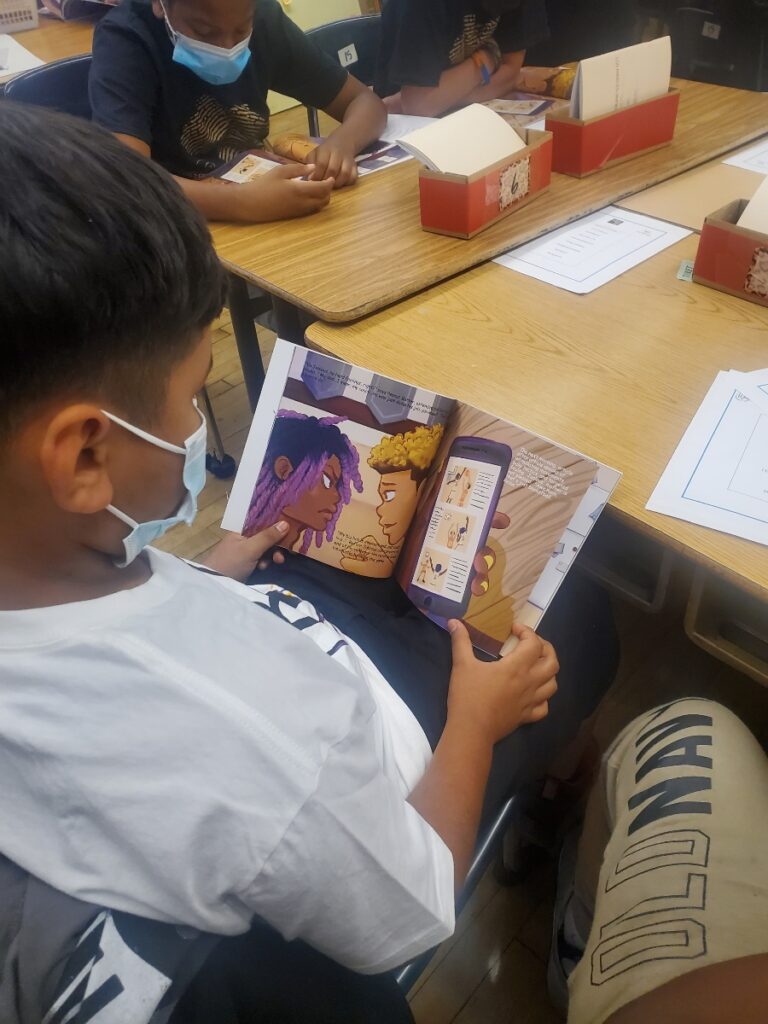
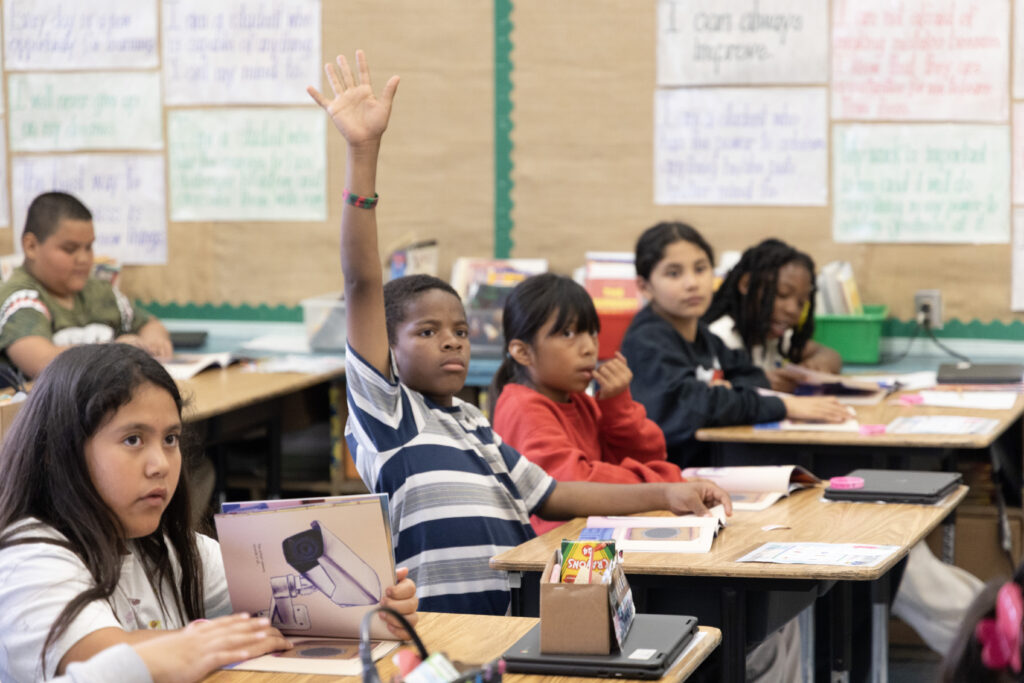
The language in Peanut Butter & Jealous is simple and direct – making it easy for a reader of any level to understand. Additionally, there are full-color illustrations on every page that evoke strong emotion and work to aid the reader’s overall comprehension of the story.
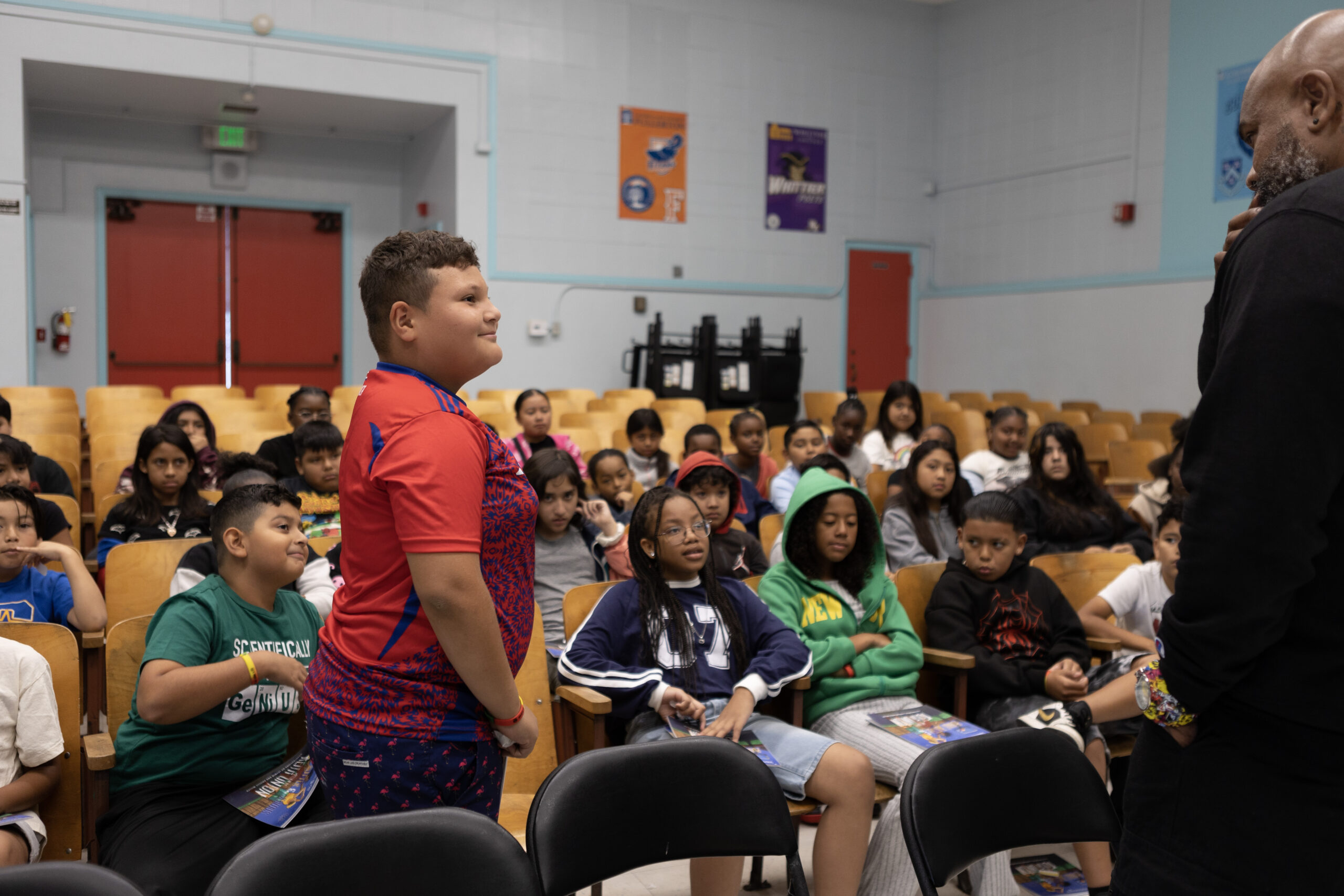
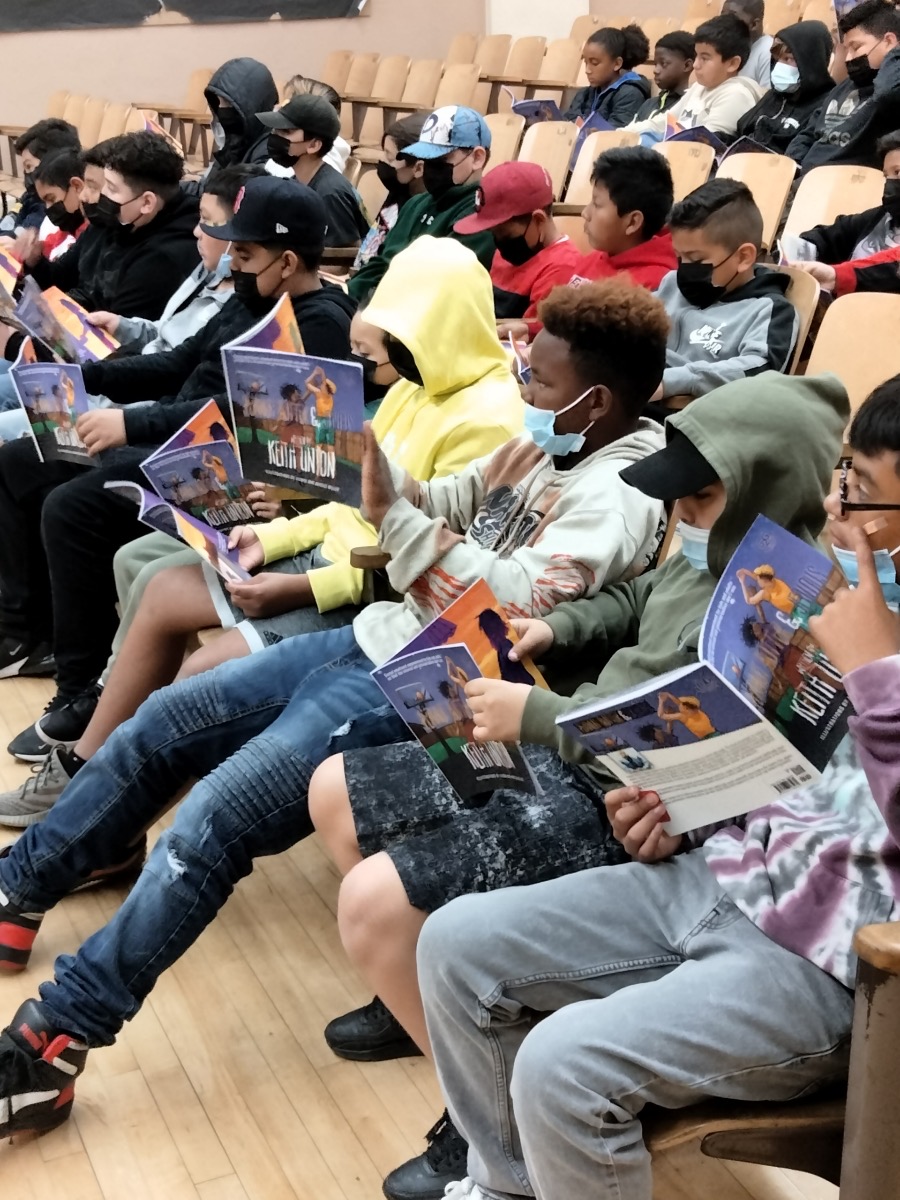
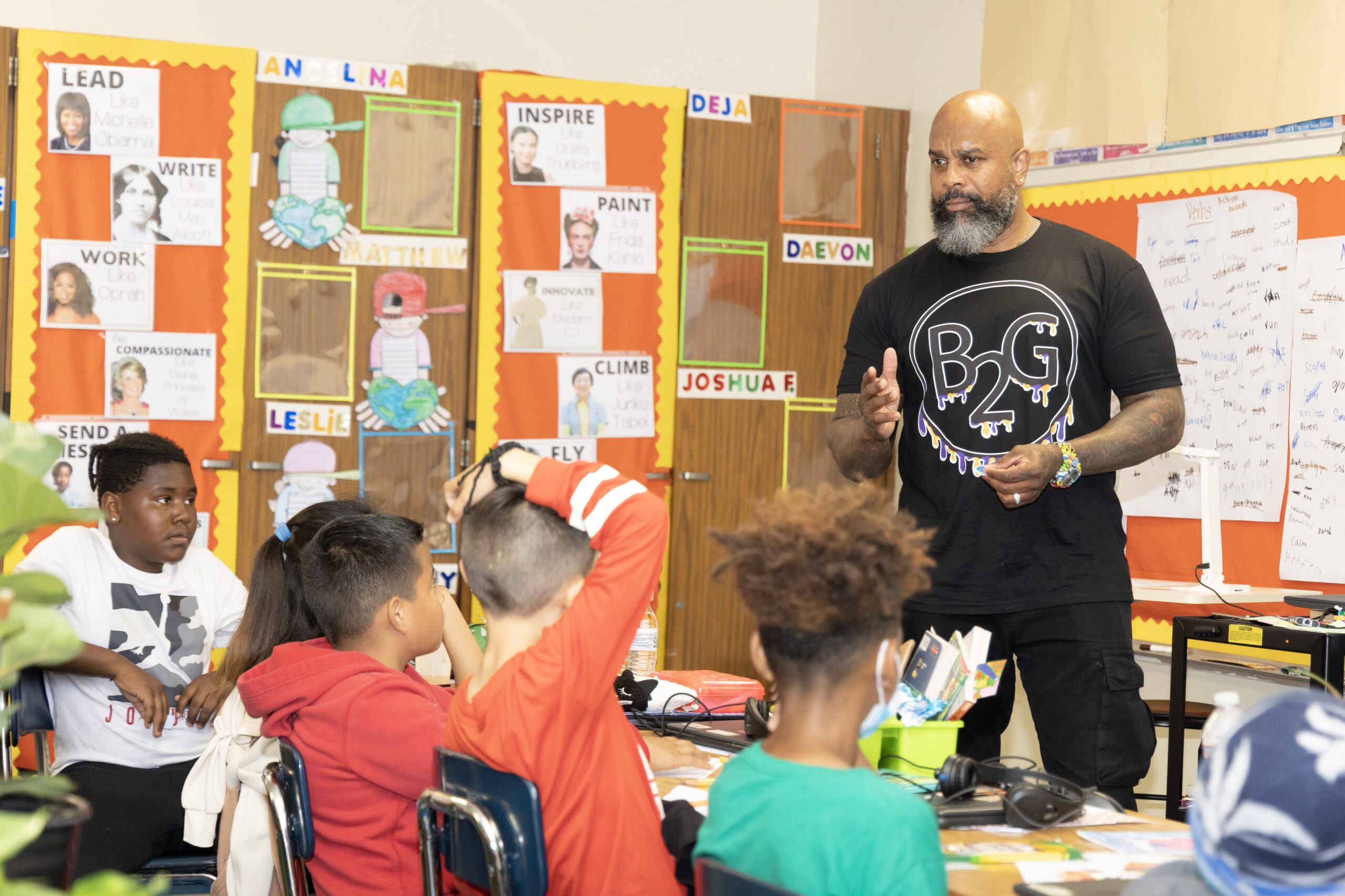
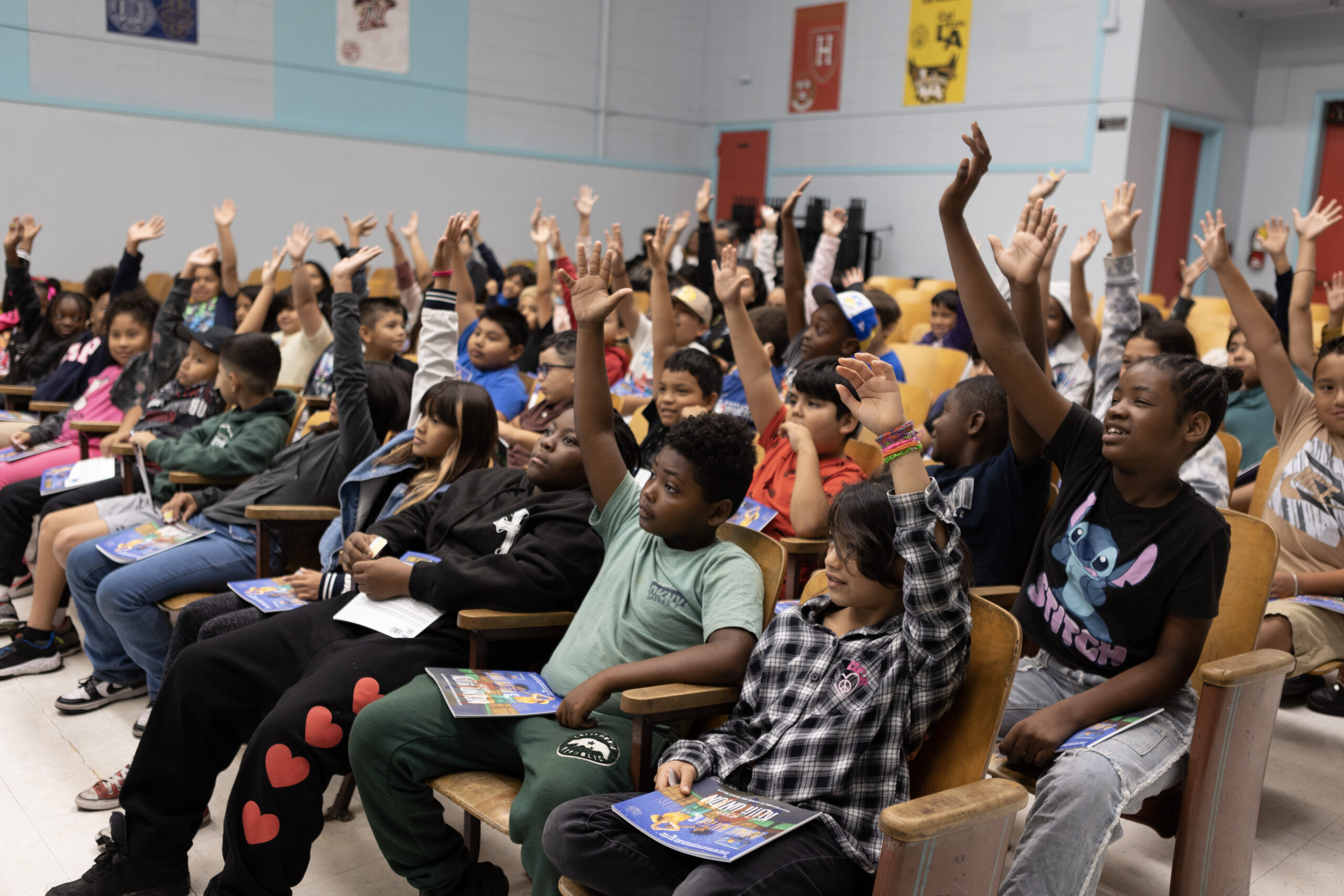
Peanut Butter & Jealous has been used as a teaching aid in over 50 LAUSD elementary, middle, and high schools since 2023. The book has helped program instructors, school administrators, parents, and students successfully address additional, social-emotionally-driven topics like:
- Trauma
- Loss
- Aggression
- Managing Anxiety
- Poor School Performance
- Developing Self-Awareness
- Deploying Empathy
- Resolving Conflicts and Goal Setting
- Other Deeply Influential Experiences that School-Age Children Experience
- Follow the Emotional and Narrative Arc of the Story
- Scaffold SEL Skills from Self-Awareness to Self-Management to Relationship Skills to Responsible Decision-Making to Community Impact
- Maintain a (mostly) “No Wrong Answer’ Reflection Stance
- Allow Students to Opt Out of Sensitive Prompts, When Needed
- Encourage Students to Talk about Big Feelings (Normalization)
- Center Lived-Experience while Avoiding Diagnostic Labels - Judgement-Free Response
Instructional Notes
- Worksheets and Flashcards may be used Sequentially or Selectively
- Designed for ELA, Counseling, SEL, Special Education, and/or Athletic Leaders
- Supports Whole-Class and Small Group Discussion, or Independent Reflection
- Language Intentionally Validates Student Experiences without Requiring Disclosure
Outcomes
Name and Manage Strong/Big Emotions
Understand how Grief and Anger Affect Behavior
Notice where Emotions Land in our Physical Body
Repair Relationships through Accountability and Empathy
Recognize Mentorship and Positive Influence
Define Identity through Choices, not Circumstances
See Leadership as Service to Others
Reflect on How Helping Others Helps Them
Bullying is a frequent discipline problem. A national survey found that 28% of middle schools, 15% of high schools, and 10% or elementary schools reported the occurrence of bullying at school at least once a week. About 37% of middle schools reported the occurrence of cyberbullying at least once a week; followed by 25% of high schools and 6% of elementary schools.
(CDC, cdc.gov)
ccss components addressed
Speaking & Listening
4.1: Engage effectively in collaborative discussions (one-on-one, in groups, and teacher-led), building on others’ ideas and expressing your own clearly
4.1.c: Pose and respond to specific questions to clarify or follow up on information, and make comments that contribute to the discussion and link to the remarks of others
4.1.d: Review the key ideas expressed and explain their own ideas and understanding in light of the discussion
4.2: Paraphrase information read aloud or presented in text
4.3: Identify the reasons and evidence a speaker provides to support points
4.4: Report on a topic or text in a clear and organized manner, using appropriate facts and details
4.6: Speak clearly at an appropriate pace in different situations
5.1: Engage effectively in a range of collaborative discussions, building on others’ ideas and expressing one’s own clearly, with diverse partners
5.1.d: Review the key ideas expressed and draw conclusions in light of information and knowledge gained the discussion
5.4: Report on a topic in an organized manner using appropriate facts and details
6.1: Engage effectively in a range of collaborative discussions with diverse partners on grade-level topics, texts, and issues, building on other’s ideas and expressing their own clearly
Reading Literature
4.1: Refer to details and examples when explaining what a text says explicitly and when drawing inferences, explain a character’s actions
4.2: Determine a theme of a story from details; how it develops, and summarize the text
4.3: Describe in depth a character, setting, or event in a story, drawing on details, and explain how their actions contribute to events, how actions lead to consequences, how characters change over time, communicate using specific details
4.6: Compare point of view from which different stories are narrated
5.1: Quote accurately from a text when explaining what it says
5.2: Determine a theme of a story from details in the text; summarize the text
5.3: Compare and contrast two or more characters, settings, or events in a story, drawing on specific details in the text
5.6: Describe how a narrator’s or speaker’s point of view of influences how events are described
6.2: Determine a theme or central idea of a text and how it is conveyed through particular details; provide a summary of the text distinct from personal opinions or judgement
Writing
4.1: Write opinion pieces supporting a point of view with reasons
4.3: Write narratives to develop real or imagined experiences using details and clear event sequences, that connect experiences to ideas
4.8: Recall information to support writing and use information to support responses
5.1: Write opinions with clear reasons and supporting evidence
5.3: Write narratives or personal reflections to develop real or imagined experiences using descriptive details and clear event sequences
5.4: Produce clear and coherent writing appropriate to task and purpose
casel components addressed
Self-Awareness
- Linking Feelings, Values, and Thoughts
- Identifying Ones’ Emotions and Needs and Recognizing the Influence of Values and Experiences
- Recognizing Emotions and Personal Values
- Recognizing Emotions that Lead to Actions
- Handling Impulses and Difficult Emotions
- Recognizing Emotions, Values, and Personal Strengths
- Recognizing One’s Own Emotions and Needs
- Recognizing One’s Own Emotions and Triggers
- Developing a Sense of Personal Identity and Recognizing Strengths
- Identifying One’s Emotions
- Demonstrating Honesty and Integrity
Social Awareness
- Recognizing Situation Demands and Opportunities
- Showing Concern for the Feelings of Others
- Demonstrating Empathy and Compassion
- Taking and Understanding Others’ Perspectives
- Recognizing Strengths in Others
- Empathy, Respect for Others, and Perspective-Taking
- Understanding how Actions Impact Others
- Understanding Others’ Viewpoints
- Showing Empathy and Understanding of Others’ Experiences
Self-Management
- Managing One’s Emotions in Constructive Ways
- Showing the Courage to Take Initiative
- Identifying and Using Stress Management Strategies
- Exhibiting Self-Discipline and Self-Motivation
- Controlling Impulses and Handling Stress
- Coping with Stress Effectively
- Managing Emotions, Stress, and Motivation
Relationship Skills
- Resolving Conflicts Constructively and Respectfully
- Developing Positive Relationships
- Communicating Effectively
- Clear Communication during Conflict, Taking Responsibility for One’s Actions, and Repairing Harm in Relationships
- Building and Maintaining Healthy Relationships
- Communicating Clearly, Resolving Conflict, Empathizing with Others, and Seeking Help when Needed
- Working through Conflict with Adults
- Resolving Conflicts and Communicating Respectfully
Responsible Decision-Making
- Identifying Solutions for Personal and Social Problems
- Reflecting on One’s Role to Promote Personal, Family, and Community Well-Being
- Learning How to Make a Reasoned Judgement after Analyzing Information, Data, and Facts
- Demonstrating Curiosity and Open-Mindedness
- Making Constructive Choices about Personal and Social Behavior
- Learning from Others’ Experiences
- Understanding Consequences of Actions
- Making Choices based on Values and Potential Outcomes
- Making Caring, Constructive Choices
As a former NBA athlete who grew up in Watts, CA – I know just how hard it can be for a young baller to guard his dribble and stay out of trouble. Peanut Butter & Jealous is a straight-shooting, poignant story that details a day-in-the-life of a bright, but troubled, inner-city kid who, though talented, risks losing it all through wrong choices.
I’ve been privileged enough, recently, to serve as a B2G volunteer and spend quality time with young people who were looking for mentorship. To say that it’s been rewarding does not do the experience justice. The social-emotional learning activities, like those associated with Peanut Butter & Jealous, have been truly transformative for these kids. And, for me, the experience has enriched my life beyond measure.
If you can – volunteer as a mentor in your neighborhood. There’s definitely a kid out there that wants to succeed and who is looking to connect.
Making a difference is jelly.
Andre Miller
The trauma of being bullied can linger for years. Long-term outcomes include risk of PTSD, chronic social anxiety, and personality disorders. Children who bully others are also at a higher risk of developing anti-social behaviors, engaging in physical fights, dropping out school, and experiencing substance misuse.
(CDC, cdc.org)
Interested in the toolkit?
For more information about the toolkit or to purchase, get in touch with us.
A social-emotional empowerment tool and educational resource
A feel-good story of intrapersonal and interpersonal friendship — so that the internal and external bullies don’t win.
© Peanut butter & jealous. All rights reserved.